
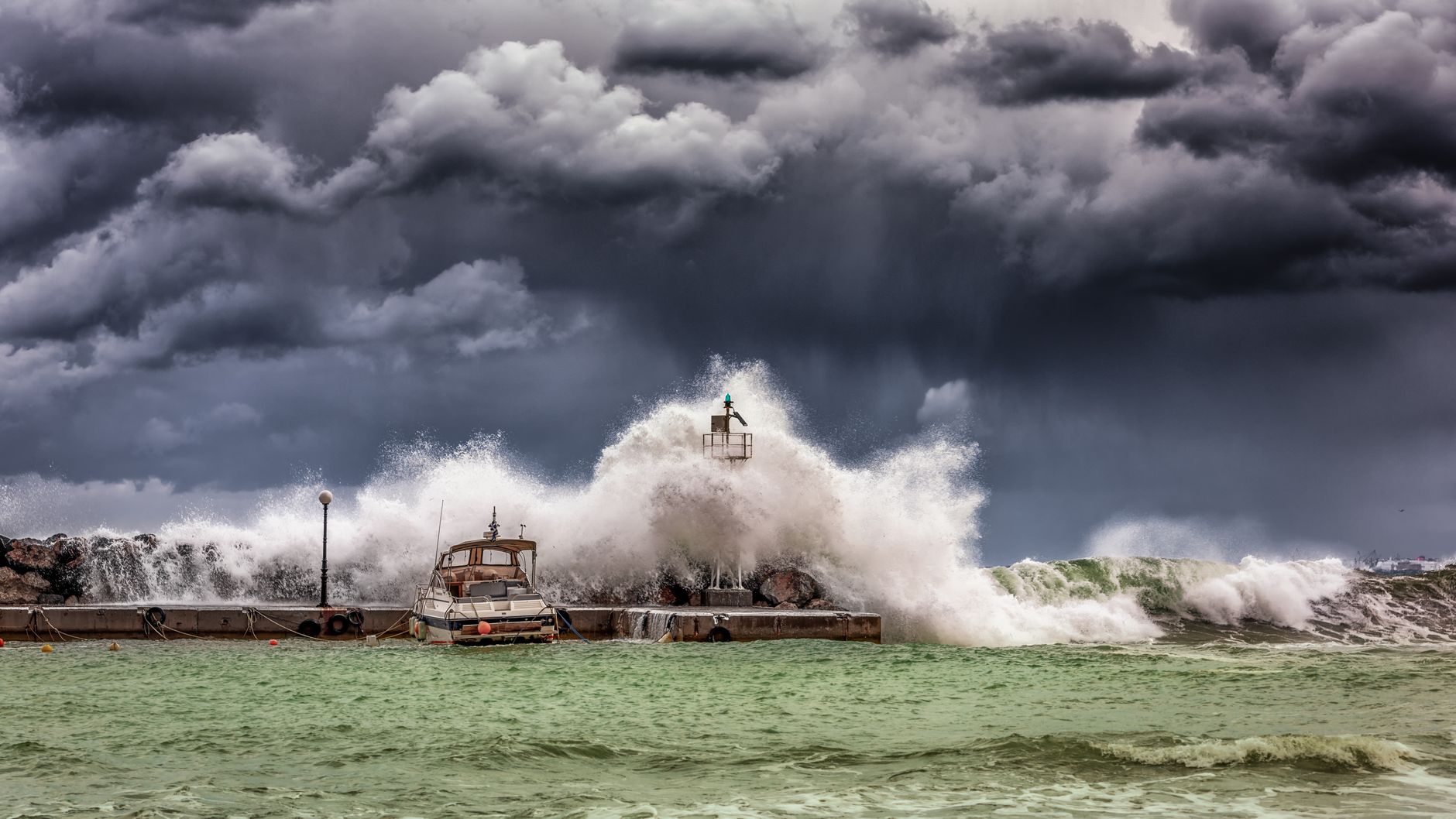
Hurricane Marie impact is being felt along the California coast as the storm tracks away from L.A. Beaches are bracing for significant effects despite the storm’s distance.
Current Status of Hurricane Marie
As Hurricane Marie continues to track away from Los Angeles, the repercussions on local beaches remain significant. Meteorologists report that while the storm is moving further out to sea, the impact of Hurricane Marie is still being felt along the coastline.
Residents and visitors are advised to stay cautious as the ocean conditions remain treacherous. High surf and strong rip currents are expected for several days, making swimming and other water activities hazardous.
Officials have issued warnings regarding:
- Increased wave heights: Waves are predicted to reach heights of up to 10 feet in some areas.
- Strong currents: The rip currents pose a considerable risk for swimmers and surfers alike.
- Beach erosion: Increased wave action may lead to significant erosion on local beaches.
Despite the storm moving away, the aftermath of Hurricane Marie will likely affect beach access and safety for the foreseeable future. Authorities are urging everyone to heed safety warnings and to stay updated on local advisories as conditions evolve.
Forecast for L.A. Beaches
The forecast for L.A. beaches following Hurricane Marie indicates significant impacts despite the storm tracking away from the coastline. Residents and visitors are advised to remain cautious as conditions may worsen in the coming days.
According to meteorologists, the following factors are expected to affect the beaches:
- High Surf: Waves could reach heights of 8 to 12 feet, creating dangerous conditions for swimmers and surfers alike.
- Rip Currents: The strength of the waves is likely to generate powerful rip currents, posing serious risks for those in the water.
- Coastal Erosion: Strong winds and waves may lead to significant beach erosion, impacting local wildlife and habitats.
- Flooding: Heavy rain associated with the storm could result in localized flooding, particularly in low-lying areas.
Officials are urging beachgoers to stay updated on weather reports and heed any warnings issued by local authorities. As Hurricane Marie moves away, the lingering effects will still be felt, making it essential to prioritize safety on L.A. beaches.
Safety Precautions for Beachgoers
As Hurricane Marie continues to track away from Los Angeles, beachgoers are urged to exercise caution along the coast. Despite the hurricane’s distance, its impact is still being felt, particularly with elevated surf and dangerous rip currents expected in the coming days.
Officials recommend the following safety precautions for those planning to visit the beaches:
- Stay informed: Check local weather updates and beach advisories regularly to remain aware of changing conditions.
- Avoid swimming: Due to the strong currents and high waves, it is advised to refrain from swimming during this period.
- Heed warning signs: Pay attention to posted signs and flags indicating dangerous water conditions.
- Supervise children: Keep a close eye on children while at the beach, ensuring they remain at a safe distance from the water’s edge.
- Stay away from rocks and jetties: These areas can be particularly hazardous during storms and high surf.
By taking these precautions, beachgoers can help ensure their safety despite the lingering effects of Hurricane Marie.
Historical Context of Hurricanes in L.A.
Hurricanes have historically posed significant threats to coastal areas, including Los Angeles. While the region is not typically known for direct hits from tropical storms, it has experienced varying degrees of impact from hurricanes that travel up the coast. Hurricane Marie, which has recently affected the area, is a prime example of how even storms that do not make landfall can cause severe disruptions.
Over the past few decades, the number of hurricanes affecting California has increased, leading to heightened awareness about their potential impacts. The most notable hurricanes, such as Hurricane El Niño in the late 1990s, have resulted in significant beach erosion and dangerous surf conditions. Many locals can recall how these storms altered the coastal landscape, leading to increased safety measures and beach closures.
Despite the infrequency of strong hurricanes making landfall in Los Angeles, the repercussions of storms like Hurricane Marie serve as a reminder of the vulnerability of coastal areas. As climate change continues to influence weather patterns, understanding the historical context of hurricanes in L.A. becomes crucial for preparing for future events.
Community Response to Hurricane Marie
As Hurricane Marie tracked away from the coast of Los Angeles, the community rallied together to assess the damage and prepare for the aftermath. Local organizations and volunteers mobilized to address the immediate needs of those affected by the storm.
Residents reported significant erosion at popular L.A. beaches, prompting discussions about long-term restoration efforts. Community leaders emphasized the importance of protecting these vital coastal areas, urging everyone to participate in upcoming beach clean-up initiatives.
In the wake of Hurricane Marie, beachgoers have shown remarkable resilience. Many surfers took to the waves to experience the powerful swells generated by the storm, while families gathered to witness the dramatic changes to their beloved shorelines. However, safety remains a priority, as officials have warned against strong currents and hazardous conditions.
Local businesses, particularly those in the tourism sector, are closely monitoring the impact of Hurricane Marie. Many are optimistic about recovery, believing that once the storm’s effects subside, visitors will return to enjoy the natural beauty of L.A. beaches.
Overall, the community’s response highlights the bond between residents and their beaches, reaffirming their commitment to preserving these cherished landscapes.
Expert Opinions on Hurricane Impact
Experts are weighing in on the impact of Hurricane Marie as it moves away from the Los Angeles coastline. While the storm is no longer a direct threat, it has already left its mark on local beaches. “The aftermath of Hurricane Marie will be felt for weeks, if not months,” stated Dr. Emily Tran, a meteorologist with the National Weather Service. “The erosion and debris accumulation will significantly alter the landscape of our beloved beaches.”
Many experts are concerned about the safety of beachgoers in the coming days. “Even though the hurricane is dissipating, strong rip currents and elevated surf conditions will persist,” warned oceanographer Mark Lopez. “We strongly advise swimmers and surfers to exercise caution.”
Additionally, marine biologists are closely monitoring the ecological impacts. “The influx of debris can disrupt local marine life, and we may see a shift in the ecosystem,” noted Dr. Sarah Kim, a marine ecologist. “It’s crucial for the community to be aware of these changes.”
In summary, while Hurricane Marie is moving away, its impact on L.A. beaches is significant and will require ongoing assessment and community awareness.
Future Tracking of Hurricane Marie
The future tracking of Hurricane Marie indicates that while the storm is moving away from the L.A. coastline, its impact will still reverberate through the region’s beaches. Meteorologists are closely monitoring the post-storm conditions, as residual swells and increased tidal activity are expected to persist for several days.
According to the National Weather Service, beachgoers should remain vigilant as the ocean conditions are likely to remain hazardous. The storm-generated waves could lead to dangerous rip currents, making it imperative for swimmers and surfers to exercise caution.
Experts are also analyzing the long-term effects of Hurricane Marie on coastal erosion and habitat disruption. The storm’s impact on marine life and beach infrastructure is still unknown, but preliminary assessments suggest significant challenges ahead for local ecosystems.
As communities begin to recover, officials are encouraging residents to stay informed about ongoing weather updates and safety advisories. The lasting effects of Hurricane Marie will likely shape beach policies and safety regulations in the upcoming months, ensuring that both locals and visitors prioritize their safety during this tumultuous period.
Conclusion and Next Steps
In conclusion, while Hurricane Marie is tracking away from L.A., the impact on local beaches will be profound and lasting. Residents and visitors should remain vigilant as the effects of the storm continue to manifest in the coming days.
Beachgoers are urged to heed safety warnings and stay informed about changing conditions. Coastal erosion and hazardous surf may persist long after the hurricane has passed, making it essential for the community to monitor updates from local authorities.
Next steps for the affected areas include:
- Continuous Monitoring: Local agencies will keep a close watch on beach conditions and post updates for public safety.
- Community Clean-Up: Organizing volunteer efforts to address debris and restore the beaches.
- Infrastructure Assessment: Evaluating the damage to coastal facilities and planning for necessary repairs.
As the community comes together to face the aftermath, understanding the Hurricane Marie impact will be crucial in ensuring a swift recovery and safeguarding against future storms.
The Hurricane Marie impact has left a significant mark on the coastal landscape, with severe erosion reported along popular beach areas. Many local businesses are grappling with the aftermath of the Hurricane Marie impact as they work to restore services and attract visitors back to the shore.
Photo by GEORGE DESIPRIS on Pexels
Sources
You might also like
Sulfur-reducing bacteria: Proven mechanism reveals processing · What Should Users Know Before Exploring an Online Gaming Website? · New Condo Buyers in Singapore: A Practical Guide to Comparing Unit Layouts