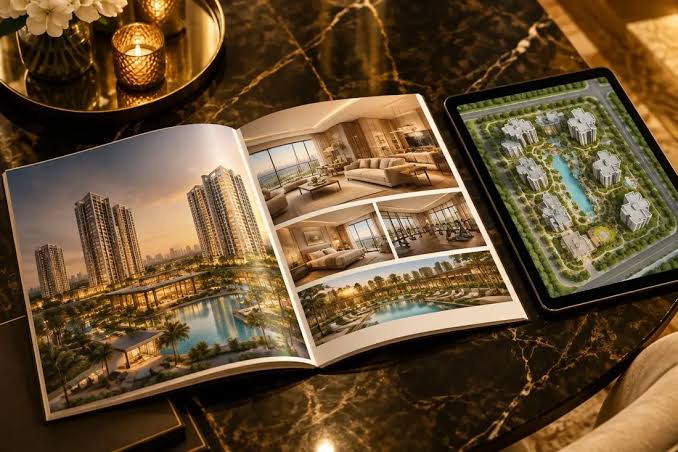
The evolution of Singapore’s skyline has fundamentally transformed how luxury real estate is evaluated. Beyond conventional benchmarks like total square footage or district codes, modern buyers prioritize architectural innovation, spatial efficiency, and seamless transit connectivity. As prime land plots in Singapore’s core districts become increasingly rare, developers are leveraging sophisticated design concepts to deliver privacy and vertical green living without compromising urban access.
For high-net-worth individuals, global executives, and investors analyzing high-end residential acquisitions, understanding how structural design and strategic location interact is essential for driving both lifestyle quality and long-term asset value.
Architectural Innovation: Redefine Spatial Luxury in High-Density Enclaves
In a densely built metropolis like Singapore, architectural design acts as a primary differentiator for luxury condominiums. Contemporary buyers have shifted away from oversized, rigid floor plans toward flexible, biophilic spaces that maximize natural light and cross-ventilation.
+———————————————————————–+
| MODERN ARCHITECTURAL SELECTION CRITERIA |
+———————————–+———————————–+
| BIOPHILIC INTEGRATION | SPATIAL EFFICIENCY |
| Sky terraces & vertical gardens | Zero-waste hallways |
| Natural light & cross-ventilation | Private lift foyer privacy |
| Acoustic soundproofing technology | High ceiling volume & flexibility |
+———————————–+———————————–+
1. Vertical Greenery and Biophilic Living
Biophilic architecture—integrating natural elements directly into high-rise structures—is no longer just an aesthetic choice; it is an environmental necessity. High-end developments increasingly incorporate multi-tiered sky gardens, naturally ventilated corridors, and smart shading facades. These features reduce internal building temperatures, cut air-conditioning energy consumption, and create a peaceful sanctuary amidst the bustling city.
2. Private Lift Foyers and Acoustic Privacy
Privacy is a core pillar of residential luxury. Modern premium developments utilize private lift foyers that open directly into private residences, ensuring maximum security and quiet enjoyment. Furthermore, advanced acoustic glass and soundproof engineering insulate living spaces from external urban noise, preserving acoustic comfort even in central locations.
For buyers looking at boutique living spaces that blend privacy with contemporary structural design in District 10, exploring projects like Amberwood at Holland showcases how low-density design elevates the daily residential experience.
Transit Connectivity and the “15-Minute City” Concept
While architectural prestige attracts discerning buyers, daily operational convenience depends on transit infrastructure. The global shift toward the “15-minute city” model—where work, education, dining, and healthcare are all accessible within a brief commute—has made proximity to major transport lines a top priority for property values.
+———————————————————————–+
| INFRASTRUCTURE VALUE DRIVERS |
+———————————–+———————————–+
| MASS RAPID TRANSIT (MRT) | ROAD NETWORK ACCESSIBILITY |
| Circle Line (Direct to One-North) | Pan Island Expressway (PIE) |
| Downtown Line (Direct to CBD) | Ayer Rajah Expressway (AYE) |
| Thomson-East Coast Line | Central Expressway (CTE) |
+———————————–+———————————–+
1. MRT Connectivity and Capital Resilience
Properties within a 5- to 7-minute walk of an MRT interchange systematically command higher capital appreciation and experience lower rental vacancy rates during market downturns. Direct connections to primary commercial corridors—such as the Central Business District (CBD), Marina Bay Financial Centre, and the One-North tech cluster—ensure consistent interest from senior corporate tenants.
2. Expressways and Seamless Arterial Road Access
For vehicle owners, fast access to key expressways like the Pan Island Expressway (PIE) and Ayer Rajah Expressway (AYE) cuts transit times during peak commuting hours. Selecting a residence situated along a well-connected road network ensures effortless mobility across the island.
Homeowners comparing modern residential developments with central transit integration often evaluate options such as Lucerne Grand, reviewing site plans to ensure vehicle entry and exit routes are free from neighborhood bottlenecks.
Practical Checklist for Assessing Prime Residences
Before making a purchasing decision, buyers should run a systematic technical audit of every shortlisted property.
Floor-to-Ceiling Height and Volume Optimization
- Check net vertical clearance rather than gross ceiling height. Higher ceilings enhance spatial perception and allow for customized overhead storage or feature lighting.
- Verify structural wall placements to determine if non-load-bearing walls can be modified for future layout changes.
Kitchen and Appliance Specifications
High-end developments typically come pre-fitted with premium German or Italian kitchen appliance suites (such as Miele, Gaggenau, or V-ZUG). Ensure that both wet and dry kitchen zones are properly ventilated and feature durable countertop surfaces like quartz or sintered stone.
Investor Insight: Properties that include fully integrated, high-specification smart home systems and concealed kitchen appliances rent up to 15% faster to expatriate corporate tenants who prefer move-in ready residences.
Strategic Summary: Combining Design with Location
Securing a high-performing residential asset in Singapore requires balancing interior design quality with macro-location fundamentals. By prioritizing low-density architectural layouts, efficient floor plans, and strong transit connectivity, buyers can enjoy an exceptional lifestyle today while protecting their capital for the long term.