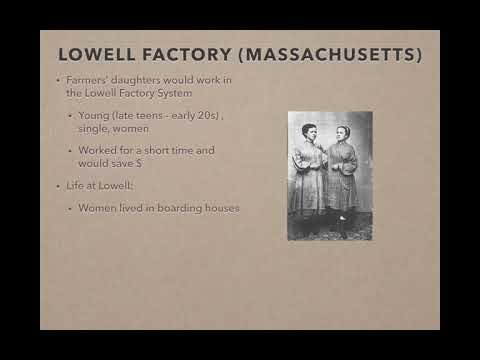
The Market Revolution transformed America. Innovations like the steam engine and telegraph fueled unprecedented economic growth. Commerce spread rapidly, connecting distant regions and reshaping daily life. “What was the Market Revolution APUSH?” The answer lies in the shift from local economies to a national marketplace. This revolution marked a pivotal moment in history, setting the stage for modern industrialization. Join us as we delve into the impact and significance of this transformative period in American history.

Exploring the Market Revolution in American History – APUSH Edition
Welcome, young historians! Today, we are going to embark on an exciting journey back in time to discover the fascinating world of the Market Revolution in early American history. The Market Revolution, also known as the First Industrial Revolution, was a period of profound economic transformation that took place in the United States during much of the 19th century. So, let’s dive in and uncover what this important historical event was all about!
The Pre-Market Revolution Landscape
Before we delve into the Market Revolution itself, let’s take a quick look at what the American economy was like before this period of significant change. In the late 18th century, the United States was primarily an agrarian society, meaning that most people lived in rural areas and worked on farms. Goods were produced mainly for local consumption, and trade was limited to nearby regions.
However, as the country gained independence and expanded westward, things started to shift. The seeds of change were being planted, setting the stage for the Market Revolution to take center stage in American history.
Impact of Technology and Transportation
One of the key driving forces behind the Market Revolution was the advancement of technology and transportation. Innovations such as the steam engine, the cotton gin, and the telegraph revolutionized the way goods were produced and traded. These technological advancements not only increased efficiency but also opened up new markets and opportunities for growth.
Additionally, the development of a vast network of canals, roads, and later, railroads, played a crucial role in connecting different parts of the country. This improved transportation infrastructure allowed for faster and cheaper movement of goods, leading to the expansion of trade and commerce on a national scale.
Rise of Urbanization and Industrialization
As the Market Revolution gained momentum, there was a noticeable shift from rural to urban centers. Cities began to grow rapidly as people moved from the countryside to urban areas in search of work in factories and mills. This mass migration of people fueled the growth of industrialization, with manufacturing becoming a dominant force in the American economy.
Factories sprung up across the nation, producing a wide range of goods that were then distributed and sold in markets both at home and abroad. This transition from a predominantly agrarian society to an industrial one marked a significant turning point in American history, forever changing the way people lived and worked.
Changing Social and Economic Dynamics
With the rise of industrialization and the expansion of markets, the social and economic dynamics of American society underwent a profound transformation. The Market Revolution brought about a shift in power from small producers and farmers to larger corporations and business interests.
As wealth became increasingly concentrated in the hands of a few, disparities in income and living standards widened. The emergence of a wage labor system meant that many workers now toiled in factories for long hours and low pay, leading to struggles for fair wages and better working conditions.
Impact on Agriculture and Commerce
The Market Revolution also had a significant impact on agriculture and commerce in the United States. The introduction of new farming techniques and machinery, such as the reaper and the steel plow, revolutionized the way crops were grown and harvested.
Farmers were now able to produce more goods more efficiently, leading to a surplus of agricultural products that could be sold in distant markets. This surplus, in turn, fueled the growth of commercial agriculture and trade, as farmers sought out new markets to sell their goods and expand their businesses.
As we wrap up our exploration of the Market Revolution in American history, it’s clear that this period of economic transformation had a profound and lasting impact on the development of the United States. From the rise of industrialization and urbanization to the changes in social and economic dynamics, the Market Revolution reshaped the American economy and society in fundamental ways.
So, the next time you hear about the Market Revolution in your history class, remember the incredible impact it had on shaping the modern America we know today. And who knows, maybe you’ll be inspired to become a history-maker yourself one day!
Until next time, happy exploring, young historians!
The MARKET REVOLUTION in America—INDUSTRIALIZATION [APUSH Review Unit 4 Topic 5] Period 4: 1800-1848
Frequently Asked Questions
What impact did the Market Revolution have on the economy during the APUSH era?
The Market Revolution in APUSH significantly transformed the economy by shifting from small-scale, local production to large-scale manufacturing and national markets. This led to increased efficiency, expanded transportation networks, and the rise of wage labor, contributing to the growth of capitalism in the United States.
How did the Market Revolution affect social structures in America during the APUSH period?
The Market Revolution brought about significant social changes, such as the emergence of a wage-earning working class, the growth of urban centers, and the rise of a consumer culture. These changes influenced patterns of labor, migration, and social mobility, impacting the traditional social hierarchies of the time.
What role did technological advancements play in the Market Revolution in APUSH?
Technological advancements, such as the steam engine, telegraph, and railroads, played a vital role in driving the Market Revolution in APUSH. These innovations revolutionized transportation, communication, and manufacturing processes, enabling the rapid expansion of markets and the integration of various regions into a national economy.
Final Thoughts
The market revolution APUSH refers to the transformation of the American economy in the early 19th century. It saw the shift from localized economies to a national marketplace, driven by technological advancements and transportation improvements. Innovations like the telegraph and steam engine revolutionized commerce and communication, leading to increased industrialization. This period marked a significant change in how goods were produced and sold. The market revolution APUSH fundamentally reshaped the economic landscape of the United States.