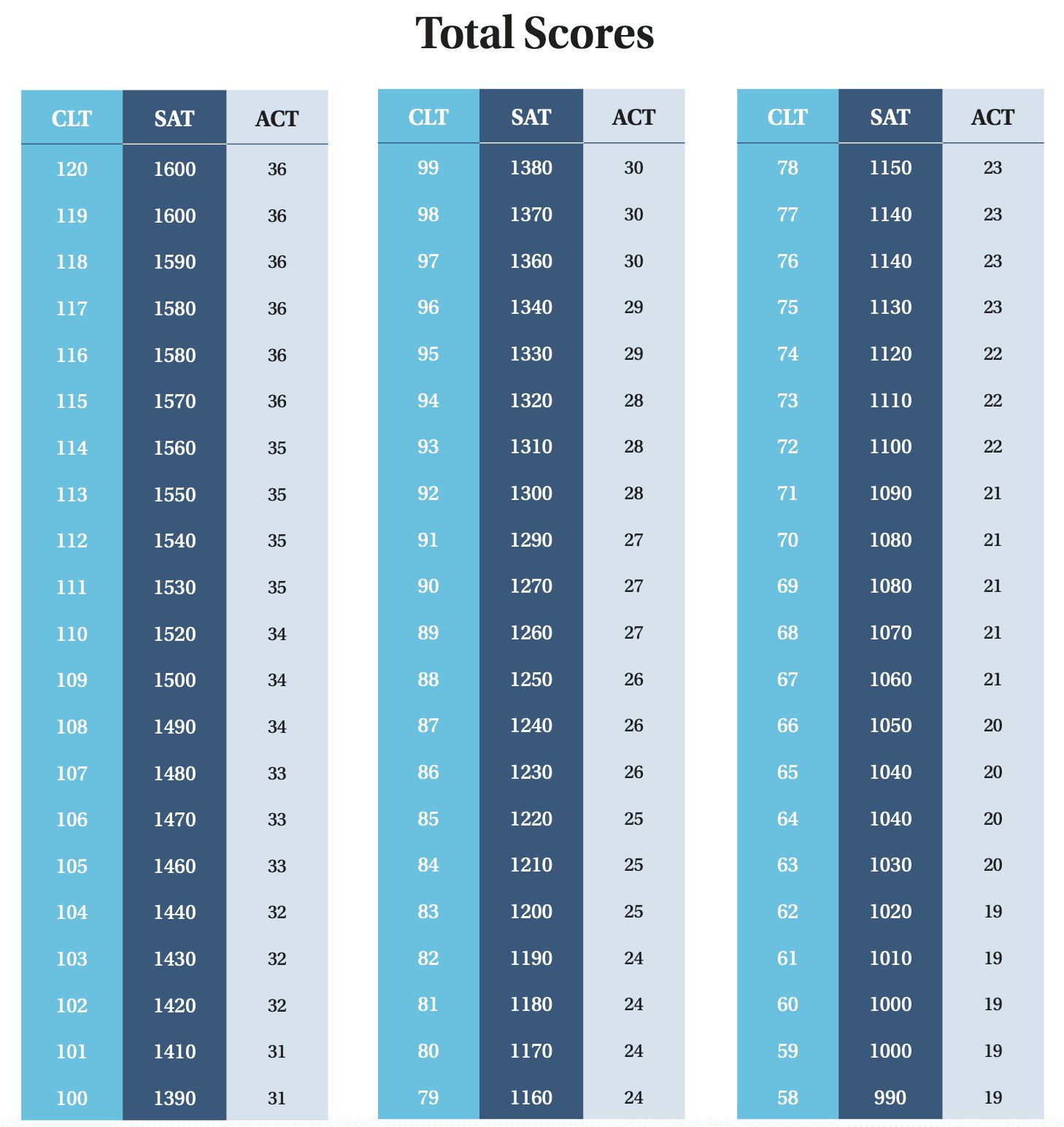
The average CLT score is a vital indicator of academic performance. It provides valuable insights into a student’s abilities and potential for success. Understanding what the average CLT score signifies can be beneficial for both students and educators alike. This article aims to explore the significance of the average CLT score and its implications in the academic realm. Let’s delve into the world of CLT scores and unravel their importance in the educational landscape.

What Is the Average CLT Score?
Welcome, young scholars, to a fascinating journey into the world of academic testing! Today, we are going to delve into the topic of CLT scores. But first things first, what exactly is a CLT score?
The Basics of CLT Scores
CLT stands for the Classic Learning Test, a standardized assessment that measures a student’s readiness for college. Similar to the SAT and ACT, the CLT consists of sections testing a student’s knowledge in various subjects such as math, reading, and writing. The CLT score is a numerical representation of how well a student performed on the test.
Understanding the Scoring System
When it comes to CLT scores, it’s essential to know that the range varies from test to test. However, the average CLT score typically falls around 100. Scores above 100 indicate an above-average performance, while scores below 100 suggest that there may be areas for improvement.
Factors Affecting CLT Scores
Now that we know what a CLT score is, let’s explore some factors that can influence a student’s performance on the test.
Preparation and Study Habits
One of the key factors that can impact a student’s CLT score is their level of preparation. Students who dedicate time to study and practice for the test are more likely to achieve higher scores compared to those who do not prepare adequately.
Test-Taking Strategies
Another important aspect to consider is test-taking strategies. Understanding how to approach different question types, managing time effectively, and staying focused during the test can significantly boost a student’s performance and ultimately their CLT score.
Interpreting Your CLT Score
So, you’ve taken the CLT, received your score, but what does it mean? Let’s break down how to interpret your CLT score.
Comparing Your Score
One way to understand your CLT score is by comparing it to the average score. If your score is higher than the average, congratulations! You’ve performed above the norm. If it’s lower, don’t worry; this can be a starting point for improvement.
Setting Goals
Once you have your CLT score, you can use it to set academic goals. Whether your score is in need of improvement or you want to maintain a high score, setting goals can help you stay focused and motivated in your academic journey.
Improving Your CLT Score
Now that we’ve explored what CLT scores are and how to interpret them, let’s look at some tips to help you improve your CLT score.
Practice, Practice, Practice
One of the best ways to boost your CLT score is through practice. Take advantage of practice tests and study materials to familiarize yourself with the test format and types of questions you may encounter.
Seek Help and Guidance
If you’re struggling with certain subjects or areas of the CLT, don’t hesitate to seek help from teachers, tutors, or online resources. Getting extra support can make a big difference in your understanding and performance.
Wrapping Up
Congratulations, young scholars, you’ve now gained a deeper understanding of what the average CLT score is all about! Remember, your CLT score is just one part of your academic journey, and with dedication, practice, and a positive attitude, you can achieve great things. Keep learning, keep growing, and let your CLT score be a reflection of your hard work and determination!
Happy studying!
The Central Limit Theorem, Clearly Explained!!!
Frequently Asked Questions
What factors determine the average CLT score?
The average CLT score is determined by a combination of factors such as the difficulty level of the test questions, the performance of test-takers relative to each other, and the overall scoring method used by the CLT test administrators.
How is the average CLT score calculated?
The average CLT score is calculated by summing up the individual scores of all test-takers and then dividing that total by the number of test-takers. This provides an overall average score that can be used to evaluate the performance of a group of test-takers.
Is the average CLT score a reliable indicator of performance?
While the average CLT score can provide some insights into the overall performance of test-takers, it is important to remember that individual scores may vary significantly. Factors such as test preparation, test-taking strategies, and external influences can all impact an individual’s performance on the CLT.
What is considered a good average CLT score?
There is no universal benchmark for what constitutes a “good” average CLT score, as it can vary depending on the specific context and purpose of the test. Generally, a higher average score may indicate better overall performance, but it is essential to interpret the score in relation to other relevant factors.
Final Thoughts
The average CLT score provides a vital benchmark for assessing cognitive abilities in individuals. This standardized test gauges critical thinking, problem-solving, and analytical skills. Understanding what the average CLT score is can help individuals and educators alike evaluate strengths and areas for improvement. By knowing this benchmark, one can strive for personal and academic growth.