A track is made of steel rails, wooden ties, and ballast. These components work together seamlessly to create a solid foundation for trains to travel on, guiding them safely to their destinations. The intricate design and construction of a track may seem simple at first glance, but it plays a vital role in the functioning of a railway system. Let’s delve deeper into the fascinating world of what is a track made of and how each element contributes to the smooth operation of train transportation.

What is a Track Made of?
Tracks are an essential part of many things we use every day, from train lines to running tracks. But have you ever wondered what tracks are actually made of? Let’s dive into the fascinating world of tracks and explore what materials are used to create these important pathways.
The Foundation: Track Bed
Before we get into the materials that make up the visible part of a track, let’s talk about the foundation – the track bed. The track bed is the base on which the track is laid, providing stability and support. It is usually made of materials like gravel, crushed stone, or concrete.
Gravel is commonly used for track beds due to its ability to drain water efficiently, preventing the tracks from getting waterlogged. Crushed stone is another popular choice as it offers good drainage and stability. In some cases, especially for high-speed tracks, concrete track beds are used for maximum durability.
Rails: The Backbone of Tracks
Now, let’s move on to the most recognizable part of a track – the rails. Rails are the long, slender metal beams that trains, trams, and other vehicles run on. They form the backbone of the track system, providing a smooth and stable surface for movement.
Traditionally, rails were made of iron, but nowadays, most rails are made of steel. Steel rails are preferred for their strength, durability, and resistance to wear and tear. They come in various shapes and sizes, depending on the type of track and the weight of the vehicles using them.
Ties: Holding It All Together
Tracks are not just rails running on the ground – they need something to hold them in place. That’s where ties, also known as sleepers, come in. Ties are the rectangular objects that sit perpendicular to the rails and provide support and stability.
Traditionally, ties were made of wood, but modern tracks often use concrete or composite materials for ties. Wooden ties are still used in some places, especially for heritage railways, but concrete ties are more common nowadays due to their longevity and low maintenance requirements.
Ballast: The Unsung Hero
Another crucial component of a track is ballast. Ballast is the layer of material that sits between the ties and supports them while also providing drainage and stability. It may not be visible, but ballast plays a vital role in the functioning of a track.
Typically, ballast is made of crushed stone or gravel. Its main purpose is to distribute the weight of the tracks and trains evenly, prevent vegetation growth, and allow for water drainage. Properly laid and maintained ballast is essential for the longevity and safety of the track system.
So, next time you see a track, whether it’s a train track, a tram track, or a running track, remember the materials that make up this crucial infrastructure. From the sturdy track bed to the durable rails, ties, and ballast, each component plays a vital role in ensuring smooth and safe transportation. Tracks are not just pathways – they are the result of careful planning, engineering, and the right materials working together to create a reliable and efficient system.
Understanding what tracks are made of gives us a newfound appreciation for these seemingly simple yet essential structures that keep our world moving.
Track athletes are EXPLOSIVE
Frequently Asked Questions
What materials are used to make a track?
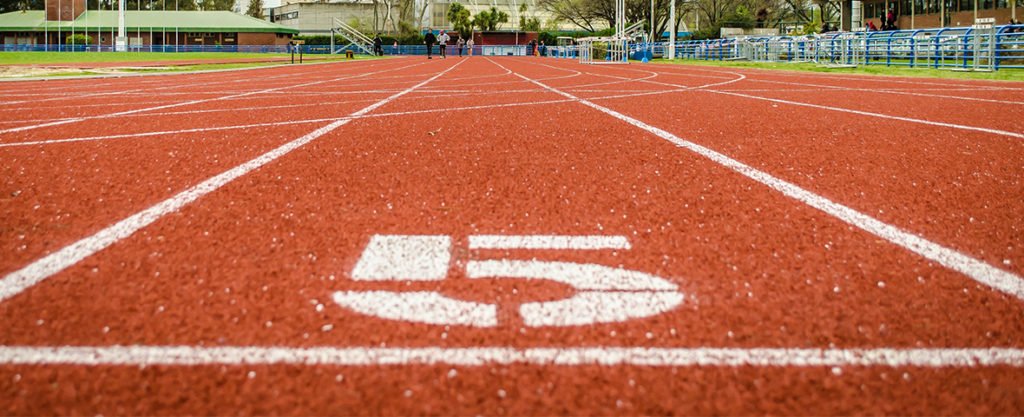
A track is typically made of various materials such as asphalt, rubber, and synthetic compounds. These materials are chosen for their durability, grip, and low rolling resistance to provide a smooth and safe surface for athletes.
How is a track surface constructed?
The construction of a track surface involves multiple layers of materials being applied and compacted in a specific order. This includes a base layer for stability, a cushioning layer for shock absorption, and a top layer for traction and performance.
What are the key characteristics of a well-built track?
A well-built track should have a consistent surface level, proper drainage to prevent water accumulation, good elasticity to reduce impact on athletes’ joints, and lines/markings that are clearly visible for competitions and training.
Why are different track materials chosen for different types of tracks?
Various track materials are chosen based on usage requirements and environmental factors. For example, outdoor tracks often use materials that can withstand weather conditions, while indoor tracks prioritize materials that offer excellent grip without leaving marks on shoes.
Final Thoughts
In conclusion, a track is made of steel rails, wooden or concrete sleepers, and ballast. The steel rails provide a smooth surface for the train wheels to run on. The sleepers support the rails and distribute the weight of the train. Ballast helps with drainage and stability. These components work together to create a sturdy and durable track system that allows trains to travel efficiently and safely. What a track is made of ultimately determines its reliability and performance.