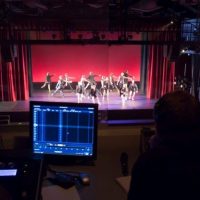
Technical theater is the art of bringing a production to life behind the scenes. From lighting to sound, set design to special effects, it encompasses the intricate elements that make a show truly memorable. What is technical theater? It is the backbone of the performing arts, seamlessly blending creativity and technical skill. Stepping into the world of technical theater opens up a realm of innovation and problem-solving. Join us on a journey to explore the magic happening offstage. Let’s delve deeper into the fascinating realm of technical theater.

What is Technical Theater: A Comprehensive Guide
Welcome, young theater enthusiasts! Have you ever wondered what makes the magic happen behind the scenes in a theater production? That’s where technical theater comes in! In this exciting blog post, we’re going to dive deep into the world of technical theater and explore all the fascinating aspects that make a live performance come to life. So, grab your popcorn, sit back, and get ready to discover the secrets of technical theater!
The Basics of Technical Theater
So, what exactly is technical theater? Technical theater refers to all the technical aspects involved in producing a play, musical, or any live performance. It’s not just about the actors on stage; it’s about everything that happens behind the curtain to create a captivating show for the audience. From lighting and sound to set design and special effects, technical theater encompasses a wide range of disciplines that work together seamlessly to bring a production to life.
Roles in Technical Theater
There are many different roles in technical theater, each essential in making a production successful. Let’s explore some of the key roles:
1. Lighting Designer
The lighting designer is like a painter, but instead of using a canvas, they paint with light. They create the perfect atmosphere for each scene by choosing the right colors, angles, and intensity of light to enhance the mood and focus the audience’s attention where it needs to be.
2. Sound Engineer
The sound engineer is responsible for all the sounds you hear during a performance, from the actors’ voices to the background music and sound effects. They make sure that every word is heard clearly and that the sound enhances the storytelling without overpowering the actors.
3. Set Designer
The set designer is like a magician who creates the illusion of different locations on stage. They design and build the sets that transport the audience to different worlds, whether it’s a medieval castle, a bustling city street, or a magical forest.
4. Costume Designer
The costume designer is in charge of creating the look of the characters through their clothing. They design, source, and sometimes even make the costumes that help bring the characters to life and make the actors look the part.
5. Stage Manager
The stage manager is like the conductor of a symphony, coordinating all the moving parts of the production. They make sure everyone is where they need to be when they need to be there, and they keep the show running smoothly from start to finish.
The Importance of Technical Theater
Technical theater plays a crucial role in the success of a live performance. Without professional lighting, sound, set design, and other technical elements, a production would lack the depth and immersion that captivates the audience. Here are some reasons why technical theater is so important:
Enhancing the Storytelling
Imagine watching a play in complete darkness with no sound or set design – it would be pretty boring, right? Technical elements like lighting, sound, and set design enhance the storytelling by creating the right mood, atmosphere, and setting for the characters to come to life.
Creating Realistic Environments
Thanks to the skills of set designers and prop masters, audiences can be transported to different worlds without ever leaving their seats. From intricate backdrops to detailed props, the magic of technical theater creates realistic environments that enrich the audience’s experience.
Adding Magic and Spectacle
Special effects, such as smoke, fireworks, and flying rigs, add an element of magic and spectacle to live performances. These effects create moments of awe and wonder that make a production unforgettable for the audience.
Ensuring Safety and Smooth Operation
Technical theater professionals not only focus on the creative aspects of a production but also on the safety and smooth operation of all technical elements. From ensuring that lighting fixtures are securely mounted to coordinating quick scene changes backstage, their expertise keeps everyone involved in the production safe and the show running smoothly.
Behind the Scenes: A Day in the Life of a Technical Theater Professional
Ever wondered what a day in the life of a technical theater professional looks like? Let’s take a sneak peek behind the curtain to see what happens backstage:
6:00 AM – The stage manager arrives at the theater bright and early to start the day. They review the schedule, check in with the crew, and make sure everything is set for rehearsals and performances.
8:00 AM – The lighting designer and sound engineer begin setting up the lights and sound equipment for the day’s rehearsals. They test the equipment, fine-tune the levels, and collaborate with the director to achieve the desired effects.
10:00 AM – The set designer and prop master arrive to work on building and arranging the sets for upcoming scenes. They make sure everything is in place and ready for the actors to bring the story to life.
12:00 PM – The costume designer meets with the actors for fittings and adjustments to the costumes. They ensure that every detail, from the fabric to the accessories, is perfect for each character.
3:00 PM – The stage manager gathers the cast and crew for a final run-through before the evening’s performance. They go over cues, timing, and any last-minute changes to ensure that everything runs smoothly.
7:00 PM – Showtime! The technical theater team works behind the scenes to make sure everything goes off without a hitch. From controlling the lights and sound to managing the set changes, they work together like a well-oiled machine to bring the production to life.
Technical theater is the heartbeat of live performances, bringing together creativity, technology, and teamwork to create unforgettable experiences for audiences around the world. From designing stunning sets to orchestrating complex lighting and sound effects, technical theater professionals work tirelessly behind the scenes to make the magic happen on stage. So next time you watch a play or musical, take a moment to appreciate all the hard work and dedication that goes into making it a truly magical experience!
Thank you for joining us on this journey into the world of technical theater. We hope you’ve gained a new appreciation for the incredible artistry and craftsmanship that goes into every live performance. Stay tuned for more fascinating insights into the exciting world of theater!
Tech Theatre Basics | Intro to Areas of Tech and Design
Frequently Asked Questions
What is technical theater?
Technical theater refers to the practical aspects of theatrical production that involve the use of technology and equipment to support the performance. It encompasses various elements such as lighting, sound, set design, costumes, props, and special effects to enhance the overall theatrical experience for the audience.
How does technical theater enhance a performance?
Technical theater plays a crucial role in enhancing a performance by creating the right atmosphere, mood, and visual appeal on stage. Through the use of lighting, sound effects, elaborate sets, and intricate costumes, technical elements help bring the story to life, immerse the audience in the world of the play, and support the actors in conveying emotions and narratives effectively.
What are some key roles in technical theater production?
Key roles in technical theater production include lighting designers who create and control the lighting effects, sound engineers responsible for sound reinforcement and effects, set designers who design and construct the sets, costume designers who create costumes for the characters, and stage managers who coordinate all technical aspects during performances.
Final Thoughts
In conclusion, technical theater encompasses the behind-the-scenes aspects of live performances. It involves lighting, sound, set design, and other technical elements that bring a production to life. Through intricate planning and execution, technical theater professionals work collaboratively to create immersive experiences for audiences. Embracing innovation and creativity, the world of technical theater plays a crucial role in enhancing the overall theatrical experience. Understanding what technical theater entails is essential for anyone interested in the art of theater production.