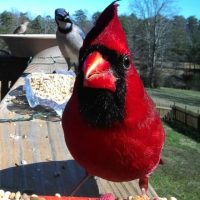
Birds of prey, such as hawks and owls, are known to be the primary predators of cardinals. These majestic and vibrant birds are a favorite target for these skilled hunters. With their sharp talons and keen eyesight, birds of prey easily spot and capture cardinals during their flights or while perched in trees. Cardinals must always stay alert and cautious to avoid falling victim to these formidable predators. Let’s delve deeper into the fascinating dynamics of ‘what eats cardinals’ in the intricate ecosystem of the avian world.

What Eats Cardinals: Understanding the Predators of These Stunning Birds
Welcome, young nature enthusiasts! Today, we are going on a fascinating journey to explore the world of cardinals and discover what creatures pose a threat to them. Cardinals, with their vibrant red feathers and beautiful songs, are common backyard birds that bring joy to many people. However, like all living beings, they are part of the delicate balance of nature, where some animals see them as prey. Let’s delve into the intriguing world of ‘what eats cardinals’ and learn more about the predators of these lovely birds.
The Cardinal: A Brief Introduction
Before we dive into the predators of cardinals, let’s first understand a bit more about these captivating birds. Cardinals are small to medium-sized songbirds that are native to North and South America. The male cardinal is known for its bright red plumage, while the female sports a more subtle blend of tan and red feathers. Cardinals are omnivores, which means they eat a variety of foods, including seeds, fruits, and insects.
Meet the Predators
Now, let’s meet the creatures that consider cardinals a tasty treat. Just like how we humans have favorite foods, animals in the wild have their preferred meals too. Unfortunately, cardinals are on the menu for several predators. Let’s take a look at some of the common predators of these lovely birds:
1. Birds of Prey
Birds of prey, such as hawks and owls, are skilled hunters that have keen eyesight and sharp talons. These majestic predators soar high in the sky, scanning the ground below for potential prey, including cardinals. Cardinals need to stay vigilant to avoid becoming a meal for these aerial predators.
2. Domestic Cats
While our feline friends may look cute and cuddly, they are natural-born hunters. Domestic cats, especially those that roam outdoors, pose a significant threat to cardinals and other small birds. Cats are agile and quick, making them efficient hunters that can catch birds with ease.
3. Snakes
Slithering silently, snakes are stealthy predators that can surprise their prey. Some snake species, like rat snakes and black racers, are known to prey on birds, including cardinals. These reptiles use their sharp teeth to grasp and consume their feathered meals.
4. Raccoons
Raccoons are omnivores that have a diverse diet, which includes birds and their eggs. These clever mammals are skilled climbers and can raid bird nests, including those of cardinals, to feast on eggs or even the adult birds.
5. Squirrels
Don’t let their fluffy appearance fool you; squirrels are opportunistic feeders that will not pass up the chance for a protein-rich meal. Some squirrel species will raid bird feeders and nests, targeting eggs, nestlings, and even adult birds like cardinals.
Protecting Cardinals from Predators
While cardinals face threats from various predators in their natural habitat, there are steps we can take to help protect these beautiful birds. Setting up bird feeders in safe locations, keeping cats indoors, and creating bird-friendly landscapes are some ways to safeguard cardinals and other backyard birds from predators.
In Conclusion
Cardinals, with their striking appearance and melodious songs, bring a touch of nature’s beauty to our lives. However, it’s essential to remember that they are a part of the intricate web of life, where they play a role in the circle of prey and predators. By understanding ‘what eats cardinals’, we gain a deeper appreciation for the challenges these birds face in the wild. Let’s continue to cherish and protect these remarkable creatures for generations to come.
We hope you enjoyed this exploration into the world of cardinals and their predators. Stay curious, young nature lovers, and remember to always respect and admire the wonders of the natural world around us!
What do CARDINALS eat? (6 foods that attract Northern Cardinals)
Frequently Asked Questions
What predators hunt and eat cardinals?
Various predators pose a threat to cardinals, including hawks, owls, domestic cats, snakes, and even larger birds like crows and jays. These creatures are known to prey on cardinals in their natural habitats.
How do hawks target cardinals as prey?
Hawks are skilled predators known for their sharp vision and agility. They typically hunt by swooping down from the sky and grabbing their prey with their talons. Cardinals, being smaller birds, are particularly vulnerable to aerial attacks by hawks.
Do squirrels pose a threat to cardinals?
While squirrels are not direct predators of cardinals, they can indirectly impact cardinal populations by raiding bird feeders and consuming the seeds meant for cardinals. This competition for food resources can affect cardinals’ overall well-being.
Final Thoughts
Cardinals face predation from various creatures in their natural habitat. Common predators of cardinals include birds of prey such as hawks and owls, as well as domestic cats. Snakes, squirrels, and even some larger insects are also known to prey on cardinals. Understanding the threats these beautiful birds face from predators is crucial for their conservation. Ultimately, it is important to remember that in nature, survival often comes down to the simple rule of ‘what eats cardinals’.