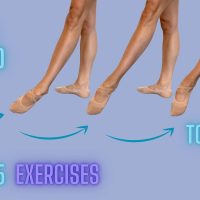
Sickled feet in dance refer to a common but incorrect foot position that can impact the aesthetics and technique of a dancer. This misalignment occurs when the foot curves inward, disrupting the straight line from the ankle to the toes. Correcting sickled feet is crucial for maintaining proper form and preventing injuries during dance movements. Understanding why this occurs and how to address it is essential for dancers striving for excellence in their technique. Let’s delve deeper into the nuances of sickled feet and how to avoid this common mistake in dance.

Understanding Sickled Feet in Dance: Tips and Techniques for Dancers
Welcome, young dancers! Today, we are going to dive into the fascinating world of dance and explore a common issue that many of us encounter – sickled feet. Have you ever wondered what exactly sickled feet are and why they are important to address in your dance technique? Well, you’ve come to the right place! Let’s uncover the mysteries behind sickled feet and learn how to improve our footwork for better performance.
What Are Sickled Feet?
First things first, let’s understand what sickled feet actually mean. When we talk about sickled feet in dance, we are referring to the shape of the foot when it is not properly aligned. Instead of having a straight line from the shin to the toes, the foot curves inward, creating a shape similar to that of a sickle (a tool used for cutting grass).
Imagine pointing your toes as if you were standing on your tiptoes, but instead of a nice, straight line, your foot curves inward towards the big toe, creating a C-shaped curve. This position is what we call sickling, and it can affect the overall look and quality of your dance movements.
Why Are Sickled Feet a Problem?
Now, you might be wondering, “What’s the big deal about having sickled feet?” Well, let’s break it down. When you sickle your feet during dance movements, it can lead to a few different issues:
1. Lack of Stability
Having sickled feet can affect your balance and stability while dancing. When your foot is not properly aligned, it becomes harder to maintain a strong foundation, making it more challenging to execute movements with control and precision.
2. Increased Risk of Injury
Sickled feet put additional strain on your ankles and lower legs, which can increase the risk of injuries such as sprains or strains. By correcting your foot alignment, you can reduce the likelihood of these injuries and dance more safely.
3. Aesthetic Issues
From an aesthetic standpoint, sickled feet can impact the overall look of your dance performance. Proper foot alignment is essential for creating clean lines and beautiful shapes in your movements. By eliminating sickling, you can improve the visual appeal of your dancing.
How to Correct Sickled Feet
Now that we understand why sickled feet are a concern, let’s explore some tips and techniques to help you correct this common issue in your dance practice.
1. Foot Strengthening Exercises
One effective way to address sickled feet is by incorporating foot strengthening exercises into your routine. Exercises such as pointing and flexing your feet, practicing relevés (rising onto the balls of your feet), and using resistance bands can help improve the flexibility and strength of your foot muscles.
2. Mindful Alignment
Pay attention to how you align your feet during dance movements. Be conscious of keeping a straight line from your shin to your toes, avoiding any inward curvature. Visualize a straight line extending through your leg and foot as you dance to maintain proper alignment.
3. Receive Feedback
Don’t be afraid to ask your dance teacher or peers for feedback on your foot alignment. Having a second pair of eyes can help you identify when you are sickling your feet and provide guidance on how to correct it. Constructive criticism is key to improvement!
4. Practice, Practice, Practice
Like with any aspect of dance, correcting sickled feet requires consistent practice and attention to detail. Take the time to focus on your footwork during rehearsals and classes, making a conscious effort to maintain proper alignment. The more you practice, the more natural it will become.
Summary
In conclusion, sickled feet in dance refer to the inward curvature of the foot, which can lead to stability issues, increased injury risk, and aesthetic concerns. By understanding the importance of proper foot alignment and implementing corrective techniques such as foot strengthening exercises, mindful alignment, seeking feedback, and consistent practice, you can improve your footwork and enhance your overall dance performance. Remember, dancing is not just about moving your body but also about paying attention to the intricate details, such as your feet. Keep practicing, stay mindful, and enjoy the journey of mastering the art of dance!
Happy dancing!
Sickled foot
Frequently Asked Questions
What causes sickled feet in dance?
Sickled feet in dance are usually caused by the dancer’s ankle rolling inwards or the foot taking on a concave shape, rather than pointing straight in line with the leg. This misalignment can result from a lack of proper technique, weak ankles, or improper placement of the foot during movements.
How can sickled feet affect a dancer’s performance?
Sickled feet can negatively impact a dancer’s performance by reducing the aesthetic appeal of their lines and making movements look less graceful and controlled. It can also lead to instability, making it harder to balance and execute certain steps with precision.
Are there any consequences of dancing with sickled feet?
Dancing with sickled feet over a prolonged period can lead to ankle injuries, such as strains or sprains, due to the added stress and strain placed on the ankle joint. It can also result in chronic pain and long-term issues with foot alignment if not corrected.
Final Thoughts
Sickling in dance refers to when a dancer’s foot is not properly pointed, creating a curve inward or outward. This misalignment can lead to injuries and affect the aesthetics of a performance. Dancers must strive for correct foot placement to maintain strong technique and prevent strain on their ankles. Developing awareness and proper alignment is essential to avoid sickled feet in dance.